Wednesday, October 14, 2015

Project #2 - Pauahi People (Bodies)


Since the theme for Project 2 was Bodies, I have decided to create this picture and call it Pauahi People. This picture is supposed to embody the dream Pauahi had when she founded Kamehameha Schools. Pauahi created the school to help children of Native Hawaiian descent to have proper education and to perpetuate the Hawaiian culture. The background picture is significant because just behind the hula dancers is the huge portion of land in the mountain that Kamehameha Schools is built upon. The red and yellow kāhili in the background is a symbol of the Hawaiian chiefs and nobles. Pauahi is a descendant of the prestigious Kamehameha I and was raised as a royal princess. The hula dancers that are blurred in the background are symbols of the culture that Pauahi wanted to preserve. Finally, the opaque picture within Pauahi is my Kamehameha graduating class of 2015 and we symbolize the "good and industrious men and women" that Pauahi wanted us to be as we left Kamehameha Schools.

Saturday, October 10, 2015

Unspoken Rules of Appropriation

This article is a homework response to the article "Copy Rights" by Barbara Pollock. This response is a continuation of week four's homework assignment.

Sara Krajewski was correct when she said that appropriation has been made simple by downloading or scanning an item. Appropriation really is a hard topic to interpret because the word can have different meanings to different people. However, to be a true appropriation artist means to add a different concept and meaning to another artist's piece of work. It honestly takes more than just slapping an emoji over a hand and calling the art "appropriated". It takes actually thinking and having a new vision for a piece of work. Not every artist adheres to these "appropriation rules" but some of them do have outstanding pieces of art.

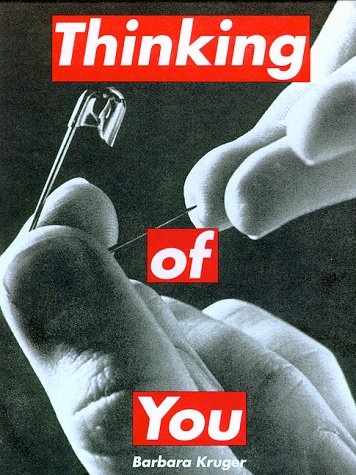
One artist in particular that I have come to really like is Barbara Kruger. Kruger takes photographs in pop culture and adds words to them that changes the meaning and context of the original photo. My favorite piece is Thinking of You
because it adds a sense of discomfort to a heartening saying. The term 'Thinking of you' could be posed negatively when looking at the picture because maybe you're thinking about a past lover or ex-boyfriend that hurt you and thinking of them is like pricking your finger on a needle.

The difference between 'appropriation' and 'sampling' is that appropriation is reworking someone's original idea into your own original idea and building off of it to create something new. Sampling is just a gentler way of saying appropriation and seems more "acceptable".  Image transfer is more of a way to take more than one different work of art and creating a new piece from them.

In a way, I kind of agree with Lichtenstein's idea about 'reappropriation' because videos and films are a sort of appropriation of what really happened in real life (such as movies 'Based on a true story'). However, I disagree with her because not everything is technically appropriated, because the filmmakers have prior permission to create the works and do actually consult with the original artist about their work.

Lastly, I will talk about some of the works from Elaine Sturtevant. She was an American artist who is known greatly for her appropriation and conceptual art pieces. A NY Times article describes her pieces as artfully and tastefully appropriated and comments on her flawless repetition artwork. A famous piece of Sturtevant's was a reworking of Roy Lichtenstein's Crying Girl. Although I can't find a good picture that shows the differences between Sturtevant's and Lichtenstein's, I still like how Sturtevant was able to rework other's art into her own and create tasteful appropriation pieces without causing trouble with the original artists.

Monday, October 5, 2015

Appropriation: Neither Black or White

This blog is in response to articles of the Cariou vs. Prince copyright infringement court case. Links and articles can be found here.

Appropriation means taking the work of another artist without their permission and using it as their own artwork. This meaning seems to be closely tied with plagiarizing. However, there is a difference between stealing ones work and slapping their own name on it versus seeing someone's work and using it to influence their own original ideas. But for now, we will focus on appropriation and the idea of using someone else's artwork without prior permission.

First of all, I will take a stance on the issue. I agree that Prince's work was an "appropriate" appropriated art piece. The last question in the NY Times article was thought-provoking. How can we determine if something is transformative enough? It may depend on who is looking at the art, but I personally believe that Prince's work transformed the message that Cariou was saying to make it his own. Cariou's Yes, Rasta was made to capture the life and feelings of Rastafarians while Prince's Canal Zone kept a more dystopian feel with "crude imagery" and completely different message.

However, appropriation is neither black or white but gray. How can a single person determine if a work is appropriated enough to be called an original piece of art? The court defined appropriation as being transformative enough and having a new expression and different character from the original. I agree greatly with this statement because I believe that's the way it needs to be.

Appropriated work is controversial as is, and even I cannot give an exact definition to what "appropriate" appropriated work looks like. It just depends on who is looking at it and how the work is generally perceived. So finally, I do not believe that Richard Prince's work is right or wrong, but it does tackle controversy in a new way and take on a new expression of character. Although Prince's work can be controversial, and he will probably do this type of work again, his method of creating a new expression from another person's work is definitely an interesting one.